Thumbs.db is a file which is created in a folder with Movies or Pictures so that you can view a piece of their content without actualy opening them (you can't see thumbnails unless you have the option to view system files turned on). Thumbs.db is there so that you don't need to reload a thumbnail everytime you browse that folder. Sad fact is, is Thumbs.db takes up about 2kb per file and if you edit a lot of stuff its annoying to keep seeing them popping up all over your computer. You can remove thumbs.db quite easily by following these steps:
- Go to Run in the startmenu
- Type gpedit.msc
- Click OK and the Group Policy will open
- Go to User Configuration/Administrative Template/Windows Components/Windows Explorer
- Scroll down to the bottom of the long list of stuff that now shows up in the menu on the right. Double-Click on Turn off caching of thumbnail pictures.
- Click on Enable then Apply, Ok. And now you no longer have this annoying problem.
(Editor's note:
Alternatively or if you use XP Home you can make this change in Control Panel > Folder Options > View > "Do not cache thumbnails"
Disabling thumbnail caching will considerably slow down opening folders in thumbnail view. So if you use thumbnail view a lot, think about it.)

If you own a Google Chromecast streaming device, you can easily share a browser tab in Chrome browser or even your entire desktop. This can be very useful when presenting from your laptop or if you just want to watch something on a big screen that is only on your PC. The only requirement is you must be on the same network as your Chromecast...
Read More
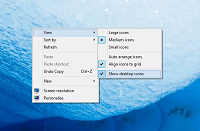
If you are a fan of minimalist desktop experiences, hiding the desktop icons are an easy way to clean up the Windows interface. Instead of saving everything to your desktop, use the default profile folders such as downloads and documents. Actually hiding all the icons on your desktop is a very simple customization hidden in the right-click context menu. Just right-click on the desktop, select View...
Read More
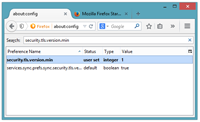
Google security researchers have published details about a major security flaw found in the SSL protocol that is used to encrypt data transferred between your browser and a web server. SSL is typically used in situations where logon credentials are validated...
Read More
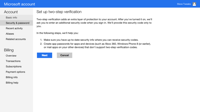
Enabling two-factor authentication is a great way to add an additional level of protection to your Microsoft account. Even if your password is stolen, your account is still protected because two-factor authetication requires an additional level of verification to log in. Microsoft calls their version of two-factor authentication "two-step verification" and it works by providing you with a random code...
Read More