Privacy features such as InPrivate browsing in Internet Explorer 8 and similar features in Chrome and Firefox promise to protect your privacy by not keeping track of page history, temporary files and cookies. This may be enough to hide your tracks from a beginner computer user but there are still traces of what sites you visit within the local DNS cache. An advanced user can run the ipconfig /displaydns command to view the most recent sites visited.
For example, when you start InPrivate browsing in Internet Explorer and visit Bing.com.
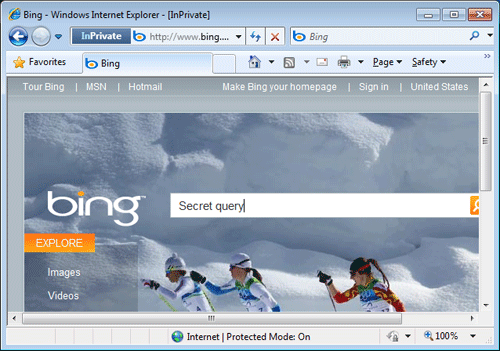
The DNS Cache shows where you have been.
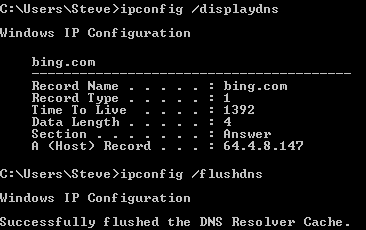
The best way to improve the privacy of your InPrivate
browsing sessions is to also clear the local DNS cache after closing the
browser. Open up an administrative level command prompt and type ipconfig
/flushdns and hit Enter.

If you own a Google Chromecast streaming device, you can easily share a browser tab in Chrome browser or even your entire desktop. This can be very useful when presenting from your laptop or if you just want to watch something on a big screen that is only on your PC. The only requirement is you must be on the same network as your Chromecast...
Read More
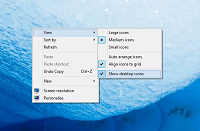
If you are a fan of minimalist desktop experiences, hiding the desktop icons are an easy way to clean up the Windows interface. Instead of saving everything to your desktop, use the default profile folders such as downloads and documents. Actually hiding all the icons on your desktop is a very simple customization hidden in the right-click context menu. Just right-click on the desktop, select View...
Read More
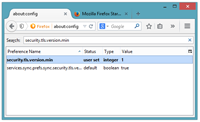
Google security researchers have published details about a major security flaw found in the SSL protocol that is used to encrypt data transferred between your browser and a web server. SSL is typically used in situations where logon credentials are validated...
Read More
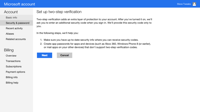
Enabling two-factor authentication is a great way to add an additional level of protection to your Microsoft account. Even if your password is stolen, your account is still protected because two-factor authetication requires an additional level of verification to log in. Microsoft calls their version of two-factor authentication "two-step verification" and it works by providing you with a random code...
Read More